Teams from NASA and Boeing Reach Milestone Before Crewed Flight
byangleblog•
science Teams from NASA and Boeing Reach Milestone Before Crewed Flight
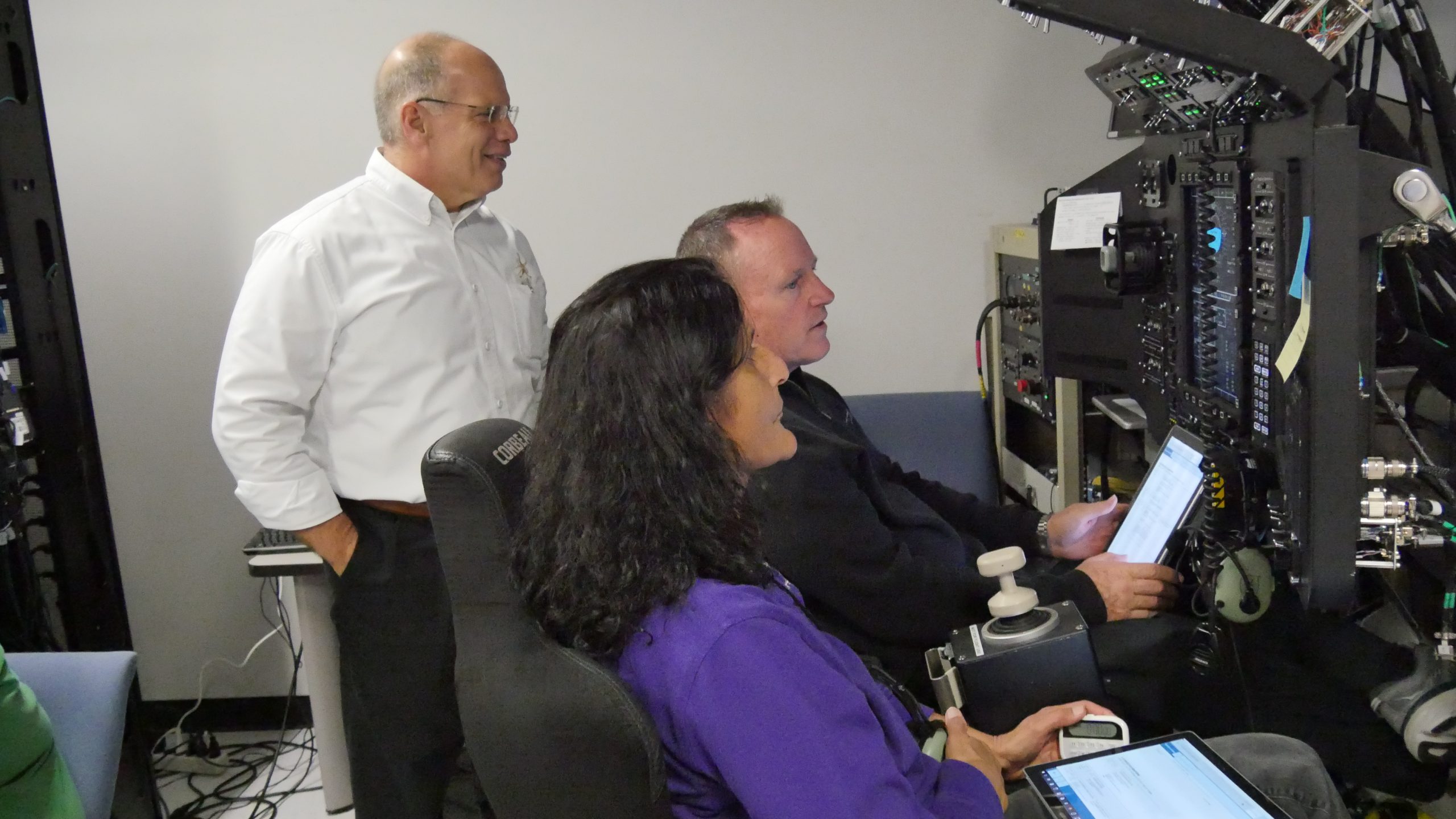
Before the crewed flight, NASA and Boeing Teams reached Milestone Boeing Crew Flight Test AMR practice by NASA NASA astronauts Barry "Butch" Wilmore and Sunita "Suni" Williams take part in a flight rehearsal at Boeing's Avionics and Software Integration Lab in Houston, from left, with Starliner Flight Crew Integration Manager Tony Ceccacci. Photo credit: Steven Siceloff/BoeingIn preparation for the company's CST-100 Starliner journey with personnel to the International Space Station, which is scheduled to launch in April 2023, NASA and Boeing recently finished a full start-to-finish integrated mission dress rehearsal. NASA astronauts Barry "Butch" Wilmore and Suni Williams will launch on Starliner as part of the Crew Flight Test, or CFT, from Space Launch Complex-41 at Cape Canaveral Space Force Station. the Commercial Crew Program of the organization. The ASIL Mission Rehearsal (AMR) included operations teams along with software and crew system tests over several days at Boeing's Avionics and Software Integration Lab (ASIL) in Houston. The end-to-end mission rehearsal's completion opens the door for the subsequent CFT milestones, which include working with the crew and flight controllers on a variety of integrated failure scenarios and a series of flight-day parameter updates that will become available as the team gets closer to launch day. The success of a human space mission depends largely on testing, according to NASA Commercial Crew Program Software Certification Manager Chad Schaeffer. The integrated failure scenarios and the AMR are two prime examples of the thorough testing teams are conducting on Starliner. The practice went well well, demonstrates the test's ongoing improvement, and paves the door for the eagerly awaited first crewed flight. The mission milestones were worked through during the rehearsal by Wilmore, Williams, and another NASA astronaut Mike Fincke in collaboration with mission operations personnel based within flight control rooms at NASA's Johnson Space Center. Additionally assisted by Boeing's Florida-based Mission Control Center are the Starliner engineering team members. The crew members utilized the same software that will be used during CFT to operate a flight deck simulator that was networked to control rooms and avionics. They successfully proved that the Starliner software is prepared to work during prelaunch, launch, docking to the space station, undocking, and the return to Earth via landing. The AMR offered full testing. Configuring hardware and software, allocating communication channels, and mapping simulated sensor data are all parts of the preparation process. Similar testing was carried out before NASA and Boeing's Orbital Flight Test-2 (OFT-2) uncrewed flight in early 2022. According to Starliner avionics software integration and test manager Aaron Kraftcheck, "We started performing AMRs with the creation of OFT-2, and the integrated team has continued to get more efficient with each rehearsal." We improved team chemistry and continued to learn and modify, which is what AMR is all about, thanks to the participation of our astronauts in this CFT AMR, the company said.